



AC Coupling vs DC Coupling: Flexible Energy Storage with Fox ESS
Understanding the Difference
When planning a home energy storage system, one of the first design decisions is whether to choose AC coupling or DC coupling.
A DC-coupled system connects solar panels directly to a hybrid inverter, which manages both PV generation and battery charging in a single unit. Because energy is stored before conversion to AC, this configuration is typically ideal for new solar-plus-storage installations.
An AC-coupled system, by contrast, installs the battery on the AC side of an existing solar inverter. This makes it especially practical for retrofit projects where homeowners want to add storage without replacing a functioning PV system.
Both architectures are technically sound. The key is not choosing one over the other — it is selecting an inverter platform that supports either approach while adapting to the property’s electrical setup.
One Portfolio, Every Phase Configuration
Fox ESS inverters are designed to support both DC-coupled new installations and AC-coupled retrofit systems across a wide range of connection types.
For single-phase homes, the H1-G2 (3–6kW) and KH (7–10.5kW) series provide flexible hybrid solutions suited to standard and higher-demand residential applications.
For properties connected across two phases, Fox ESS systems can be configured to distribute load effectively while maintaining stable battery integration, ensuring balanced performance without limiting system expansion.
For three-phase sites, the H3 Smart (5–15kW) and H3 Pro (15–30kW) extend hybrid capability into larger residential and light commercial environments. Their broader power range allows installers to size systems accurately while supporting both integrated DC architectures and AC-side battery expansion.
Across single-phase, two-phase, and three-phase connections, Fox ESS covers 3kW to 30kW — enabling systems to be designed around real-world site conditions rather than constrained by inverter limitations.
Designed to Adapt — AC or DC
In Australia, many homes already have solar installed, making AC coupling an efficient way to introduce battery storage. For new builds or full system upgrades, DC coupling offers streamlined hybrid architecture.
Fox ESS supports both pathways within the same inverter ecosystem. Installers can design according to existing infrastructure, electrical configuration, and future upgrade plans — without switching brands or redesigning the entire system.
Whether adding storage to an existing PV system or deploying a fully integrated hybrid solution, Fox ESS ensures compatibility and scalability from the outset.
Flexibility Without Compromise
Choosing between AC and DC coupling should not be about technical constraints. It should be about selecting equipment that fits the property, supports its electrical configuration, and allows for future growth.
With a comprehensive inverter portfolio and adaptable system architecture, Fox ESS delivers storage solutions that adjust to different environments and evolving energy needs — ensuring the right configuration today and flexibility for tomorrow.


Latest Posts

-

 September 15, 2026Fox ESS Achieves No. 1 Market Share in Europe’s Residential Energy Storage


-
 September 15, 2026NSW BESS4 Is Here: What It Means for Businesses
-
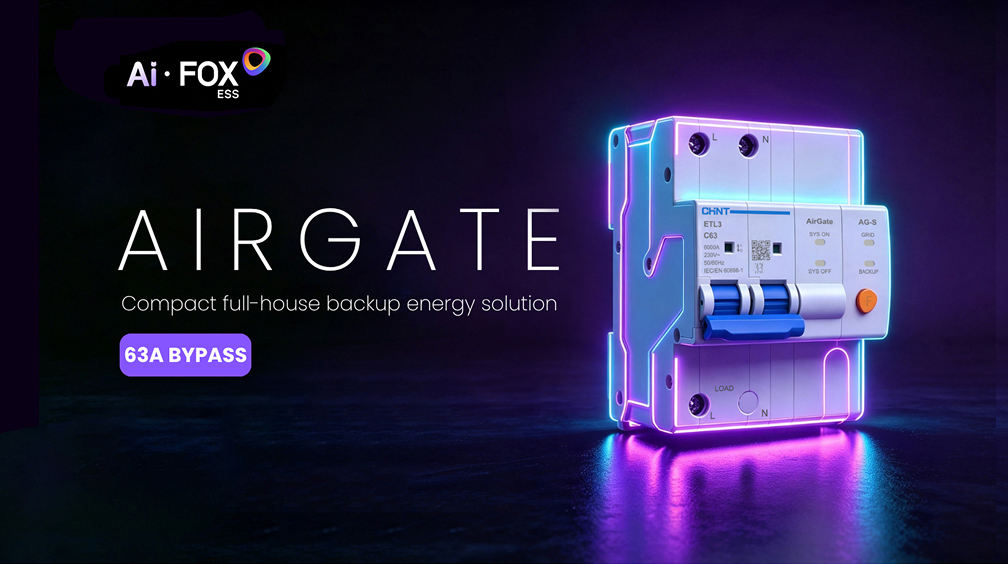 September 07, 2026Fox ESS launches AirGate in Australia, simplifying whole-home backup
-
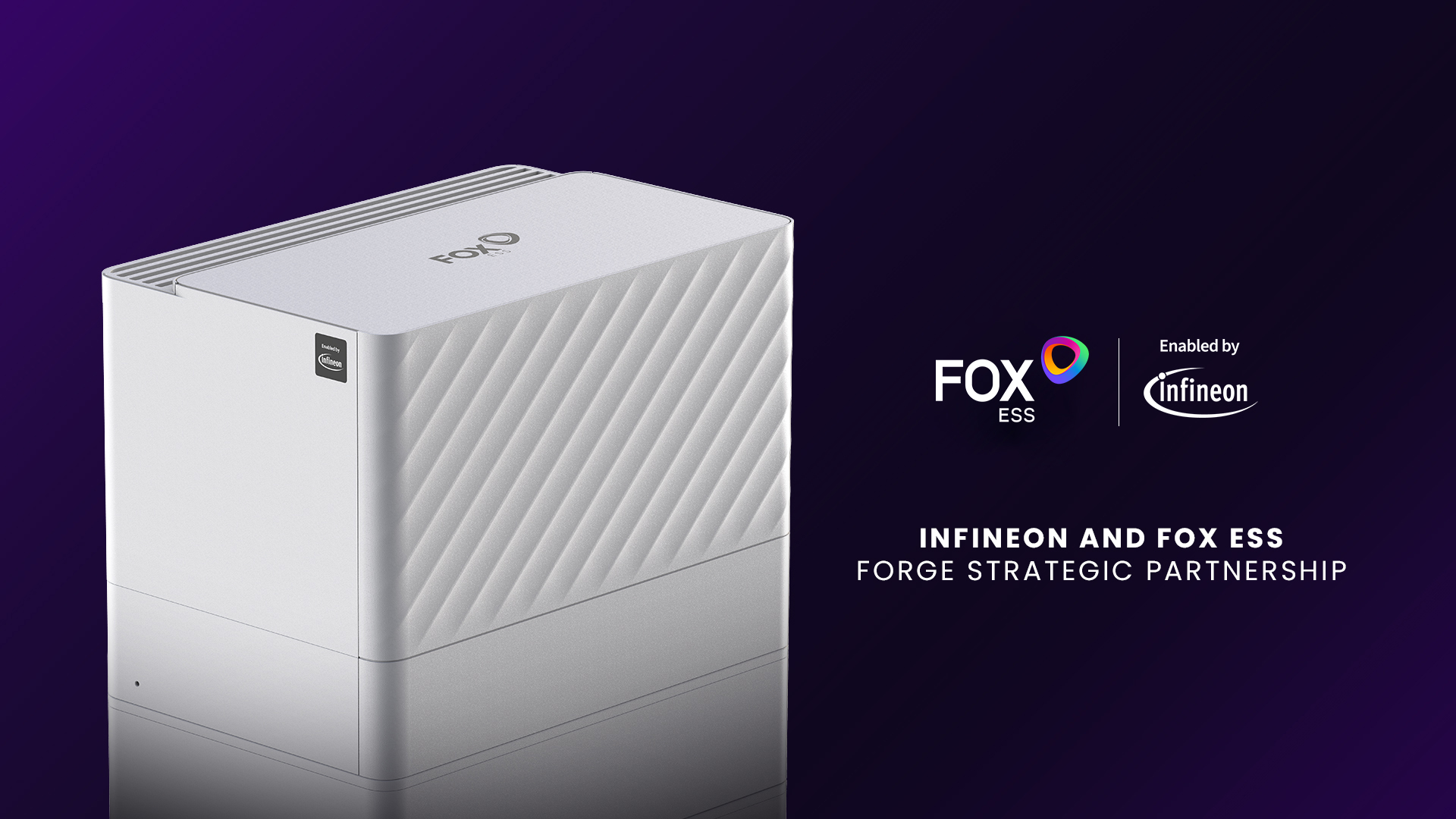 August 26, 2026Infineon supplies silicon carbide technology to Fox ESS, enhancing efficiency of residential energy storage systems
-
 August 17, 2026Prime Minister of Australia Marks 500,000 Home Battery Milestone, Continuing Support for Local Solar Business
-
 July 20, 2026Fox ESS Launches POWER BEAST to Simplify C&I Energy Storage Deployment