


NSW Home Energy Saver Program: How to Turn a Government Incentive into a Long-Term Family Asset
On 17 June 2026, the New South Wales Government officially announced the Home Energy Saver program, a $557 million initiative. The program is designed to support comprehensive home energy upgrades for NSW households by removing the upfront capital barrier.
The energy-efficiency upgrades explicitly covered by the policy include: rooftop solar, household batteries, insulation, reverse-cycle air conditioning, switchboard upgrades, ceiling fans, and draught-proofing.
1. Who Is Eligible
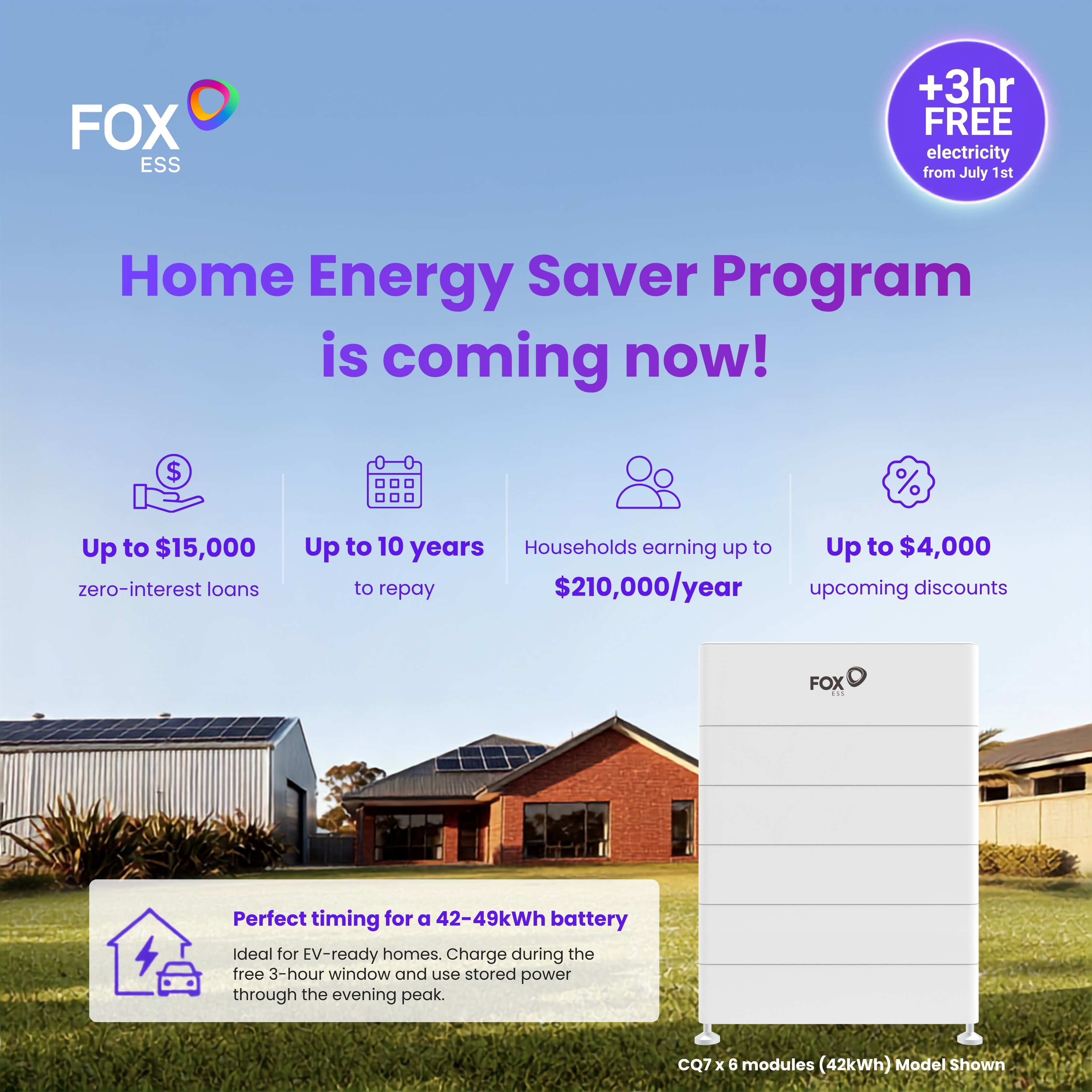
Households with an annual taxable income of $210,000 or below
• Support offered: zero-interest loans of up to $15,000, repayable over a maximum term of 10 years (120 months).
Households with an annual taxable income of $80,000 or below, or residents holding an eligible concession card (this stream is scheduled to launch in the second half of 2026; tenants may also apply with their landlord’s permission)
• Support offered: a direct rebate of up to $4,000. If a household applies for both streams, the rebate must be deducted first, with the remaining balance then covered by the zero-interest loan.
2. The Financial Benefits
Take, as an example, a $10,000 solar-and-battery storage system, repaid through fixed interest-free instalments over 10 years (120 months): the monthly payment is just $83.33. Here is how that compares with a typical household’s current electricity costs.
• Baseline (before upgrade): a typical NSW household currently spends an average of $200 to $300 per month on electricity — a pure consumption cost that rises year after year with retail price inflation.
• Interest-free loan repayment (after upgrade): a fixed monthly payment of exactly $83.33 ($10,000 / 120 months).
Once the storage system is in operation, the household’s bill for electricity purchased from the retail grid approaches $0. The traditional electricity costs saved each month directly offset — and exceed — the fixed interest-free loan repayment, so the household achieves a net-positive cash flow from the very first month of installation.
3. Hardware Lifespan and Hedging the 10-Year Loan Term
Over a loan amortisation period as long as 10 years, the redundant design and long-term stability of the system hardware are central to protecting the value of the asset:
• Industrial-grade component lifespan: Fox ESS inverters use long-life capacitors from a leading global brand (this key component accounts for more than 20% of the total cost of the internal electronics), fundamentally doubling the operating lifespan compared with standard market products.
• Extreme-climate resilience: the chassis features an exclusive integrated-housing heat-sink fin design, ensuring high efficiency and protecting electronic components from ageing even in Australia’s extreme summer temperatures of 40°C.
• Warranty covering the full loan term: Fox ESS provides a 10-year official comprehensive warranty across its residential hybrid storage portfolio. The warranty period matches the government loan repayment term exactly, removing any hardware-maintenance risk for the user during the repayment period.
4. Long-Term Asset Value (Year 11 and Beyond)
In year 11, once the loan principal has been fully repaid, the $83.33 monthly payment drops to zero.
Thanks to Fox ESS’s high-specification hardware redundancy, the system continues to operate efficiently with no remaining debt. This means that from year 11 onwards, the household enters an era of absolute zero energy cost: over the following decade and more, all green electricity generated and stored becomes pure net gain. It is a certainty-driven investment that converts a short-term policy benefit into a long-term fixed asset for the family.
And with the Solar Sharer Offer coming into effect on 1 July, offering a 3-hour window of free electricity (up to 24 kWh), there’s no better time to invest in a storage battery for your home.
Disclaimer: Figures and program details are based on the NSW Government announcement of 17 June 2026. Eligibility, rebate amounts, and loan terms are subject to official program guidelines. Customers should confirm current details before applying.


Latest Posts

-

 September 15, 2026Fox ESS Achieves No. 1 Market Share in Europe’s Residential Energy Storage


-
 September 15, 2026NSW BESS4 Is Here: What It Means for Businesses
-
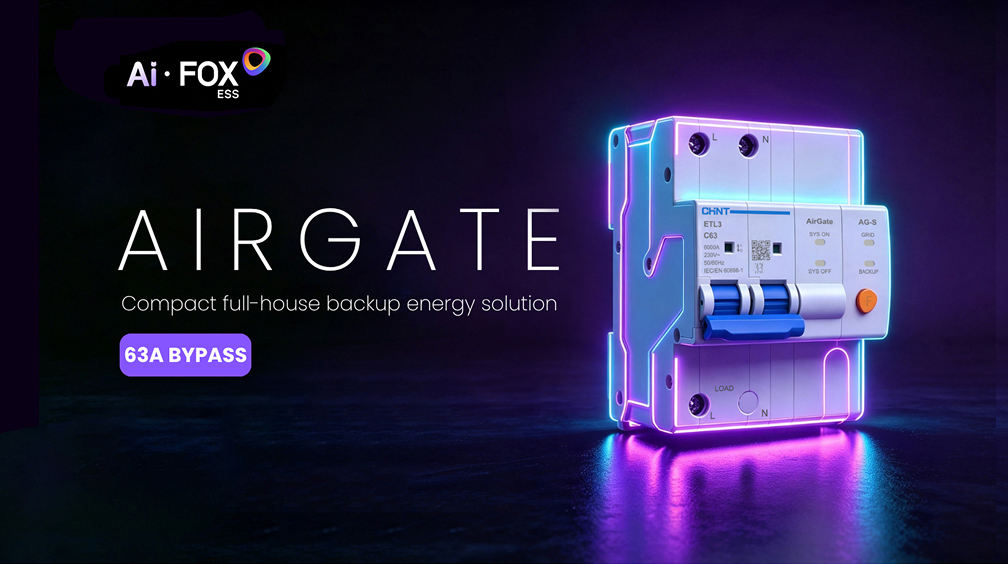 September 07, 2026Fox ESS launches AirGate in Australia, simplifying whole-home backup
-
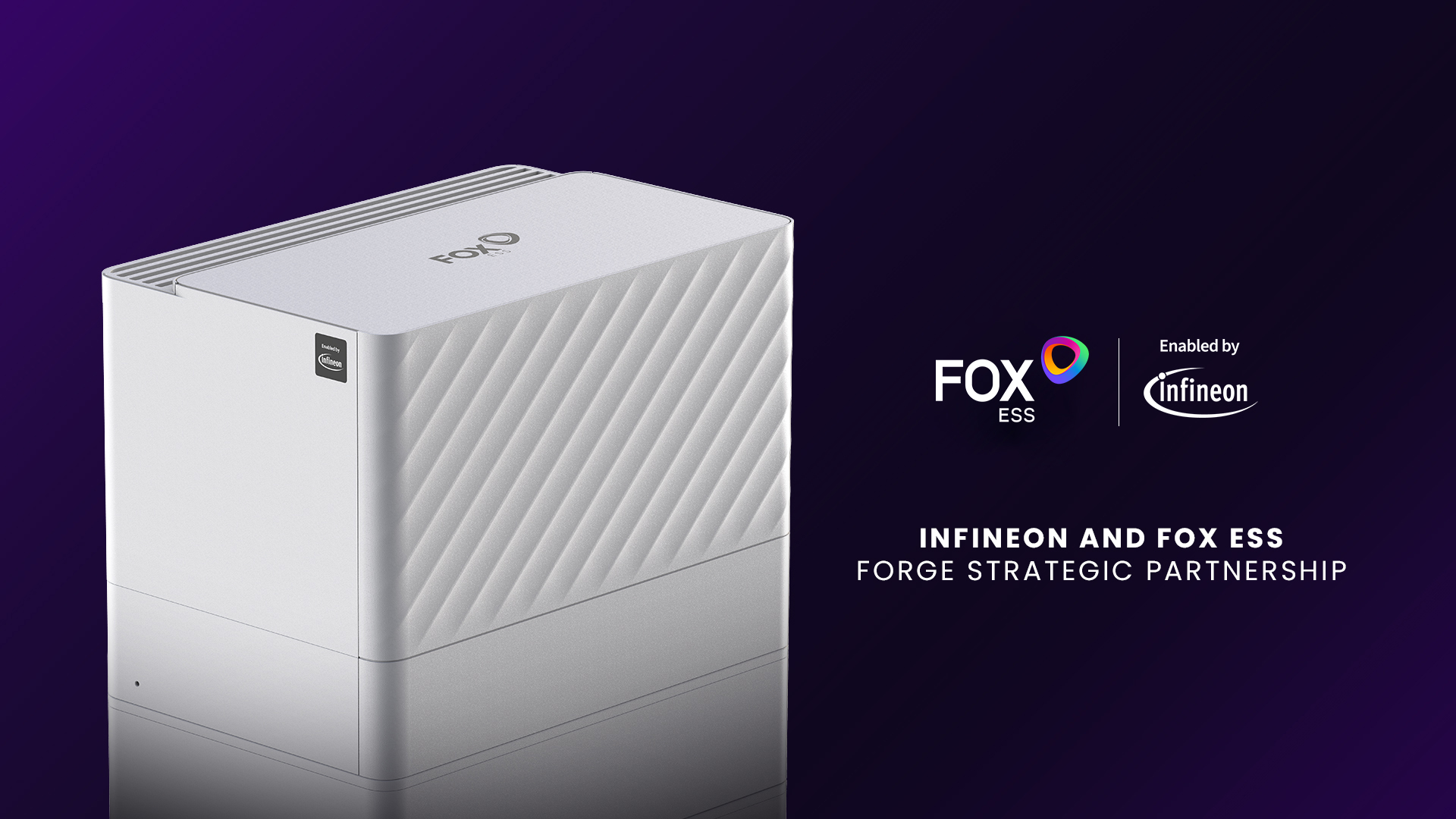 August 26, 2026Infineon supplies silicon carbide technology to Fox ESS, enhancing efficiency of residential energy storage systems
-
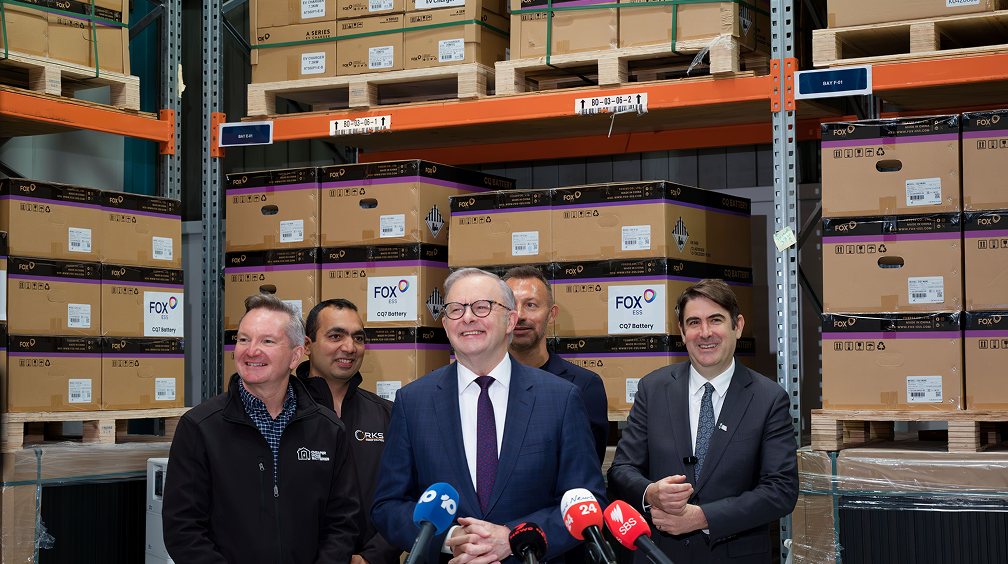 August 17, 2026Prime Minister of Australia Marks 500,000 Home Battery Milestone, Continuing Support for Local Solar Business
-
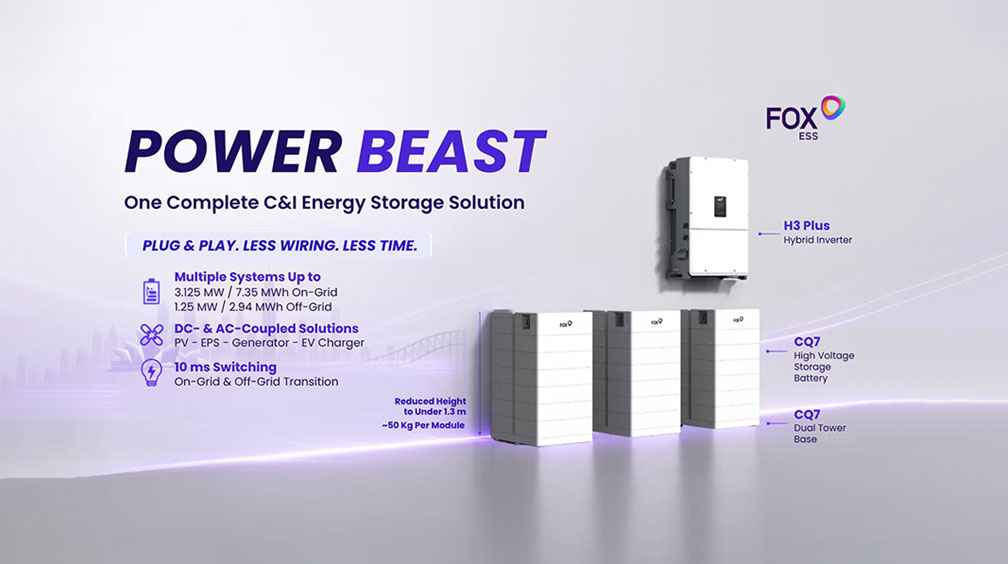 July 20, 2026Fox ESS Launches POWER BEAST to Simplify C&I Energy Storage Deployment